Successful vegan brands online embrace "low-impact luxury," focusing on sustainability, cultural awareness, and emotional connection through values-first storytelling. This approach answers eco-fatigue and mainstream veganism, fostering consumer trust and alignment with personal identities.
The Rise of “Low-Impact Luxury”: How Values-First Storytelling Is Shaping the Future of Vegan Brands Online
If you run a vegan business, you already know the basics: plant-based, cruelty-free, planet-friendly. That used to be a differentiator. Today, it is just the starting line.
One big trend is quietly reshaping how successful vegan brands show up online: low-impact luxury.
This is not about expensive price tags or glossy photos for the sake of it. It is about blending sustainability, cultural awareness, and creativity into a digital experience that feels both high-end and deeply ethical. The brands doing this well are not yelling “vegan” in all caps on every page. They are leading with values, calm confidence, and beautifully restrained storytelling.
If your traffic is decent but your sales or loyalty are flat, this shift matters to you.
What Is “Low-Impact Luxury” For Vegan Brands?
Low-impact luxury is a mindset and a strategy. At its core:
- “Low-impact” speaks to your environmental footprint, supply chain transparency, and conscious consumption.
- “Luxury” is less about price and more about how your brand makes people feel: considered, cared for, and proud of their choices.
Think of it as the opposite of loud, cluttered “green” marketing. It is quiet, intentional, and deeply personal.
Examples you might already recognize:
- A vegan skincare brand that talks more about skin rituals, slow beauty, and ingredient origin than about “going vegan.”
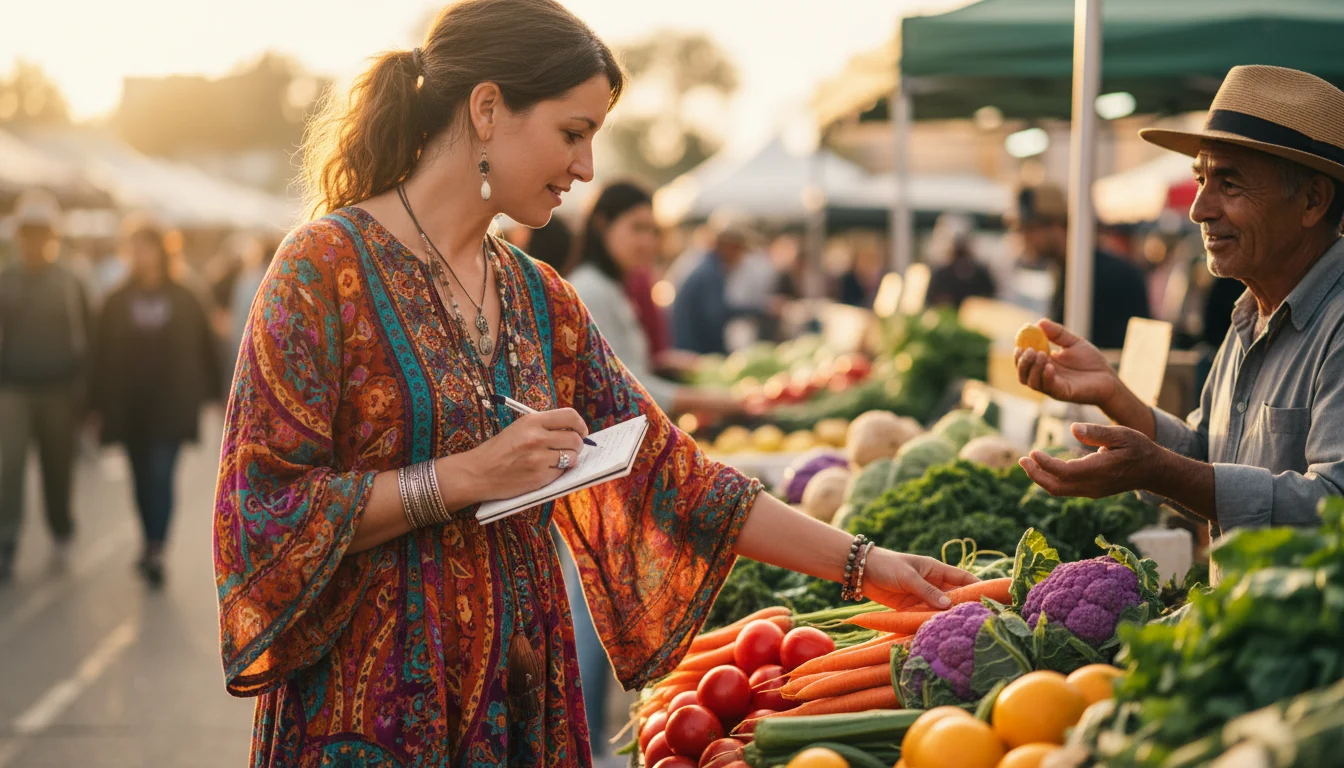
- A plant-based chocolate company that highlights its farmer relationships, minimal packaging, and limited-edition seasonal flavors with an artful, almost editorial website design.
- A vegan fashion label that invests in timeless pieces and explains why buying less, but better, is a luxury in itself.
These brands do not need to scream sustainability. Their entire online presence proves it.
Why This Trend Is Emerging Now
Several forces are converging:
1. Eco-fatigue is real
For years, every brand slapped “eco,” “green,” or “vegan” on their homepages. Shoppers got overwhelmed and skeptical. Many feel burned by vague claims and unsubstantiated “eco” labels.
Right now, your potential customers are asking:
- “Can I trust this brand?”
- “Do I really need more stuff, even if it is vegan?”
- “Is this actually better for the planet, or just marketing?”
Low-impact luxury answers these questions without lecturing. It calmly shows how your product fits into a slower, more intentional lifestyle.
2. Vegan has gone mainstream
Fast food chains offer plant-based options. Supermarkets have full vegan sections. The novelty is gone. That is good news, but it means simply being vegan is no longer a unique selling point.
To stand out, you need more than “plant-based.” You need:
- A point of view
- A clear design language
- A value system your audience can see and feel
Low-impact luxury is one way to do that, especially online.
3. People crave calm in a noisy internet
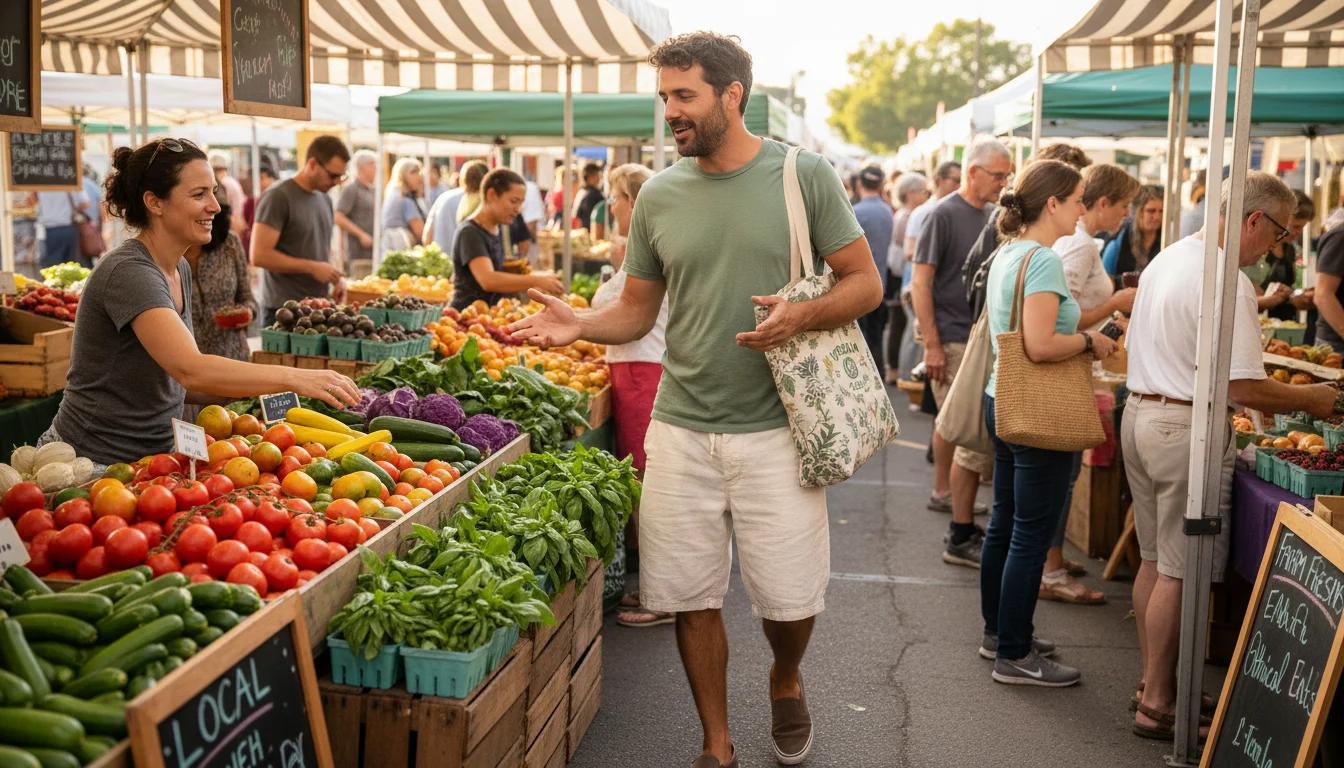
Social feeds are chaotic. Attention spans feel shorter, but that does not mean people do not want depth. They are just more selective.
The digital experiences that stand out now are:
- Clean, spacious, and easy to navigate
- Quietly confident, not desperate for clicks
- Honest about limits and trade-offs
A low-impact luxury approach naturally fits this need for digital calm.
The Cultural Insight: Sustainability As Identity, Not Just Ethics
Here is the deeper cultural shift behind this trend:
For a growing group of consumers, especially younger ones, sustainability is part of their personal identity, not just a moral checkbox.
They are not just asking, “Is this good for the planet?” They are asking:
- “Does this product reflect who I am?”
- “Does this brand align with the kind of life I want to live?”
- “Will I feel proud recommending this to friends?”
Vegan businesses that get this right do not only sell products. They offer a way to live out values with intention and style.
That is why your storytelling matters as much as your formula, recipe, or material.
What Low-Impact Luxury Looks Like Online
You do not need a huge budget to lean into this trend. You do need intention and consistency across your digital touchpoints.
Let’s break it down.
1. Website: Less noise, more meaning
A low-impact luxury site is simple but not empty.
On a practical level:
- Clean layouts with breathing room
- Clear, honest product pages
- Gentle, slow-paced animations if any, not flashy gimmicks
On a storytelling level:
- Ingredient or material stories: where things come from, why you chose them
- Short, grounded explanations of your environmental choices
- Real images of your product in use, not just sterile studio shots
Tip you can use this week:
Pick one product page and cut any vague sustainability phrasing. Replace it with one specific, verifiable detail. For instance, change “eco-friendly packaging” to “packaging made from 80 percent post-consumer recycled cardboard, printed with vegetable-based inks.”
That kind of specificity quietly signals luxury and integrity.
2. Content: From loud activism to grounded guidance
Vegan businesses often feel torn between fighting for animals and selling products. You may worry about being “too soft” if you focus on aesthetics and lifestyle.
Low-impact luxury does not ignore ethics. Instead, it integrates them in a calmer way.
Content shifts you might consider:
- From “10 shocking facts about factory farming”
To “How I moved from guilt-based veganism to joy-focused vegan living”
- From “Our products are cruelty-free” repeated everywhere
To “Here is how we audit our suppliers and what we do when they fall short”
- From frantic calls to action

To thoughtful, practical guides that help people use what they already own
Examples of content that fit this trend:
- “How to build a 3-piece vegan capsule wardrobe you will actually wear”
- “The small-batch story behind our seasonal flavor, and why we limit production”
- “What we learned when we tried to make our packaging plastic-free (and what still needs work)”
This kind of content respects your audience’s intelligence and their emotional bandwidth.
3. Visual identity: Quiet confidence over green clichés
You do not need leaves, globes, and bright green on everything. In fact, many modern vegan brands are moving away from “green = eco” visuals.
Low-impact luxury visuals often include:
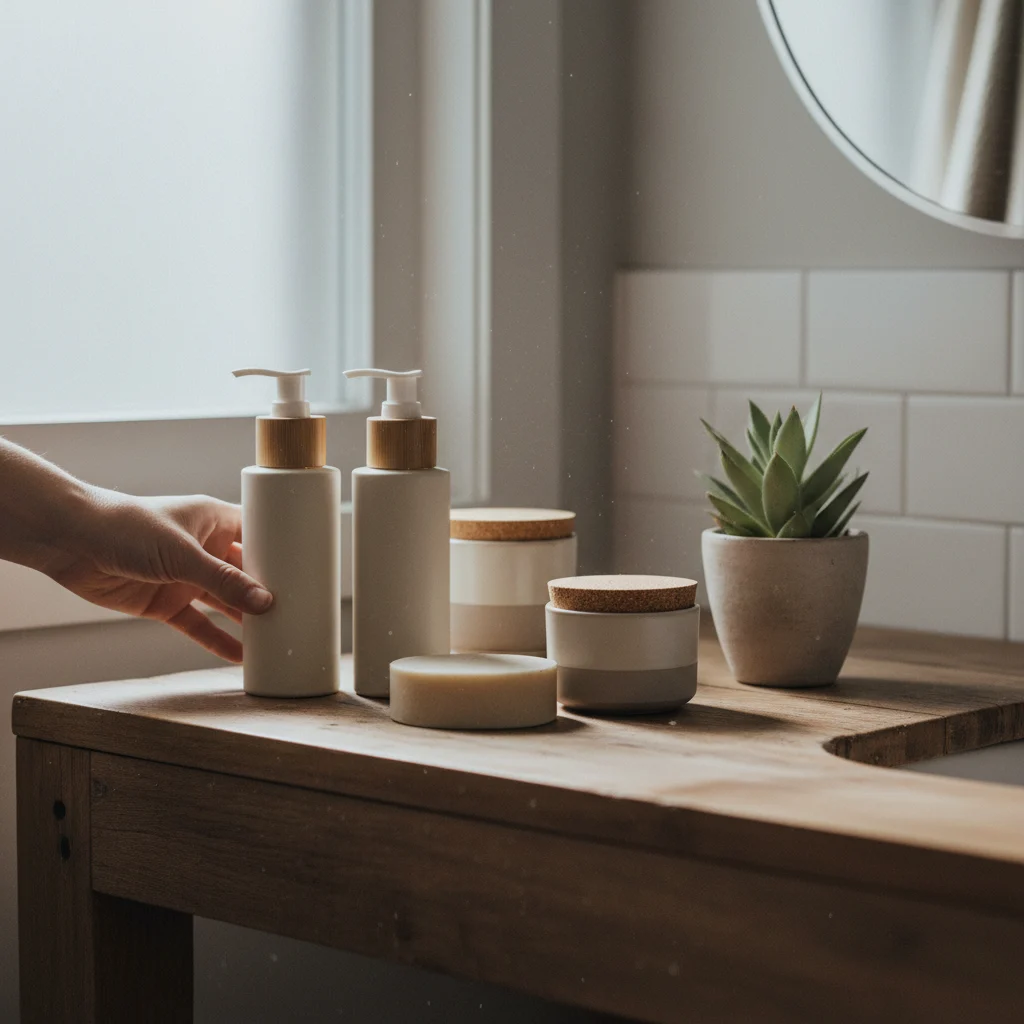
- Neutral or muted color palettes with one strong accent
- Minimalist typography that is easy to read, not trendy for the sake of it
- Authentic photography: real skin, real kitchens, real homes
- Imperfect textures that hint at craft and handwork
If you are reworking visuals, ask:
“Does this look like something a person would feel proud to have on their bathroom shelf, kitchen counter, or wardrobe rail for years?”
If the answer is yes, you are probably on the right track.
How To Bring Low-Impact Luxury Into Your Vegan Brand Now
You do not need a full rebrand or a new website to start. Focus on small, strategic shifts that compound over time.
Step 1: Clarify what “low-impact” actually means for you
Different vegan businesses reduce impact in different ways. Pick 1 or 2 you can genuinely stand behind.
Some options:
- Materials: upcycled, recycled, or certified low-impact
- Supply chain: local production, fair labor, small-batch runs
- Packaging: minimal, refillable, or modular
- Product design: durable, timeless, multi-use
Write a short internal statement like:
“Our version of low-impact luxury means creating fewer, better products, reducing packaging wherever possible, and being honest about what we can and cannot control.”
Use this as your filter for decisions and messaging.
Step 2: Rewrite your “About” page as a values-first story
Most About pages are either brag sheets or vague mission statements.
Try this structure instead:
Maybe it was label fatigue at the store, skin reactions, or watching food waste in your industry.
Explain why simply adding more products, even plant-based ones, did not feel right to you.
Be specific. What do you commit to, and what do you consciously say no to?
Show that you are in this for the long term, not just to ride a trend.
Aim for something that reads like a personal letter, not a press release.
Step 3: Curate, do not flood, your product range
A core piece of low-impact luxury is less, but better.
If your catalog is crowded, ask:
- Which products are truly loved and reordered?
- Which ones feel like they exist purely to fill a “gap” or trend?
Consider:
- Retiring low-impact products quietly
- Bundling items into intentional sets or rituals
- Launching fewer new products, with deeper storytelling around each
Online, a sharper, more focused collection often converts better than a wall of choices.
Step 4: Create one “signature ritual” content piece
People do not just buy products. They buy how those products fit into their life.
Pick one hero product and build a “ritual” around it:
- A 3-minute morning skincare ritual
- A Sunday night pasta ritual with your vegan cheese
- A Friday wind-down ritual with your tea or chocolate
Then create:
- One well-written blog post about the ritual
- 3 to 5 simple photos or short clips that show it in real life
- A short email walking readers through how to try it this week
This is lifestyle alignment in practice. It also softens the “sell” and builds emotional connection.
Step 5: Be radically honest about trade-offs
Low-impact luxury is not perfection. In fact, the brands people trust most are the ones that say where they are not there yet.
Examples of honest lines you might use:
- “We still use a small amount of plastic in our closures. Here is why, and what we are testing next.”
- “Shipping globally has a footprint. We consolidate orders twice a week to reduce trips, and we are exploring regional micro-warehouses.”
- “Our shoes are vegan but not fully recyclable yet. If that is your top priority, we want you to know before you buy.”
This kind of honesty feels luxurious in a world full of polished half-truths.
Avoiding The Pitfalls: What Low-Impact Luxury Is Not
A quick word of caution. This trend can be misread, and that can backfire.
It is not:
- Greenwashing with nicer fonts. If your operations have not changed, no amount of branding will compensate.
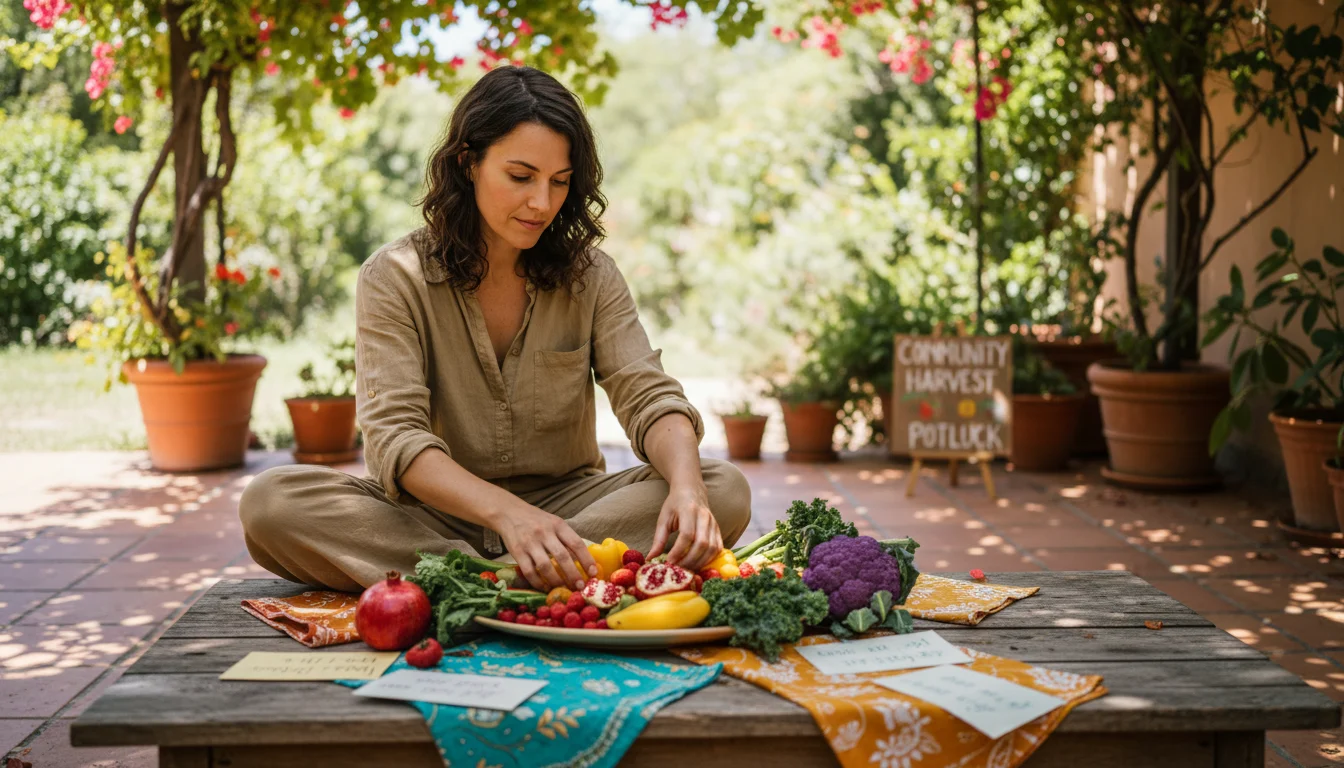
- Exclusionary elitism. Low-impact luxury can include sliding-scale pricing, refill stations, or community events, as long as the core feeling is care and intention.
- A total personality wipe. You can still be playful, colorful, or bold. Calm does not mean bland.
If you are ever unsure, ask:
“Would a returning customer feel more proud or more suspicious after this change?”
If the answer leans toward pride and trust, you are still on track.
Where This Is All Heading
Looking ahead, the vegan brands that will thrive online will likely be the ones that:
- Treat sustainability as a lived culture, not a marketing angle
- Design fewer products with more depth and longevity
- Build digital spaces that feel like a breath of fresh air, not another loud ad
- Speak to identity and everyday rituals, not just ingredients and labels
Low-impact luxury is one expression of that future. It respects both the planet and the person behind the screen.
You do not have to rework everything overnight. Start with one product page, one About page rewrite, or one ritual story. See how your audience responds. Listen. Iterate.
Your vegan business is already aligned with a better future. The next step is to let that alignment show up online in a way that feels calm, confident, and unmistakably you.