Vegan Restaurants Aren’t Just a Trend — They’re Redesigning the Dining Experience
By Lani Kealoha 🎨 Brand Experience Designer
Plant-based isn’t a side salad anymore. It’s the main character.
From Michelin-starred ONA in Bordeaux to New York City’s buzzy Cadence and London’s Mildreds expanding into new neighborhoods, vegan restaurants are stepping into a global spotlight. Even fast-food giants like McDonald’s and Burger King continue testing and scaling plant-based lines across Europe and beyond, signaling a shift in what “normal” dining looks and feels like.
But here’s what really matters for us as brand builders:
Vegan restaurants aren’t just changing what we eat.
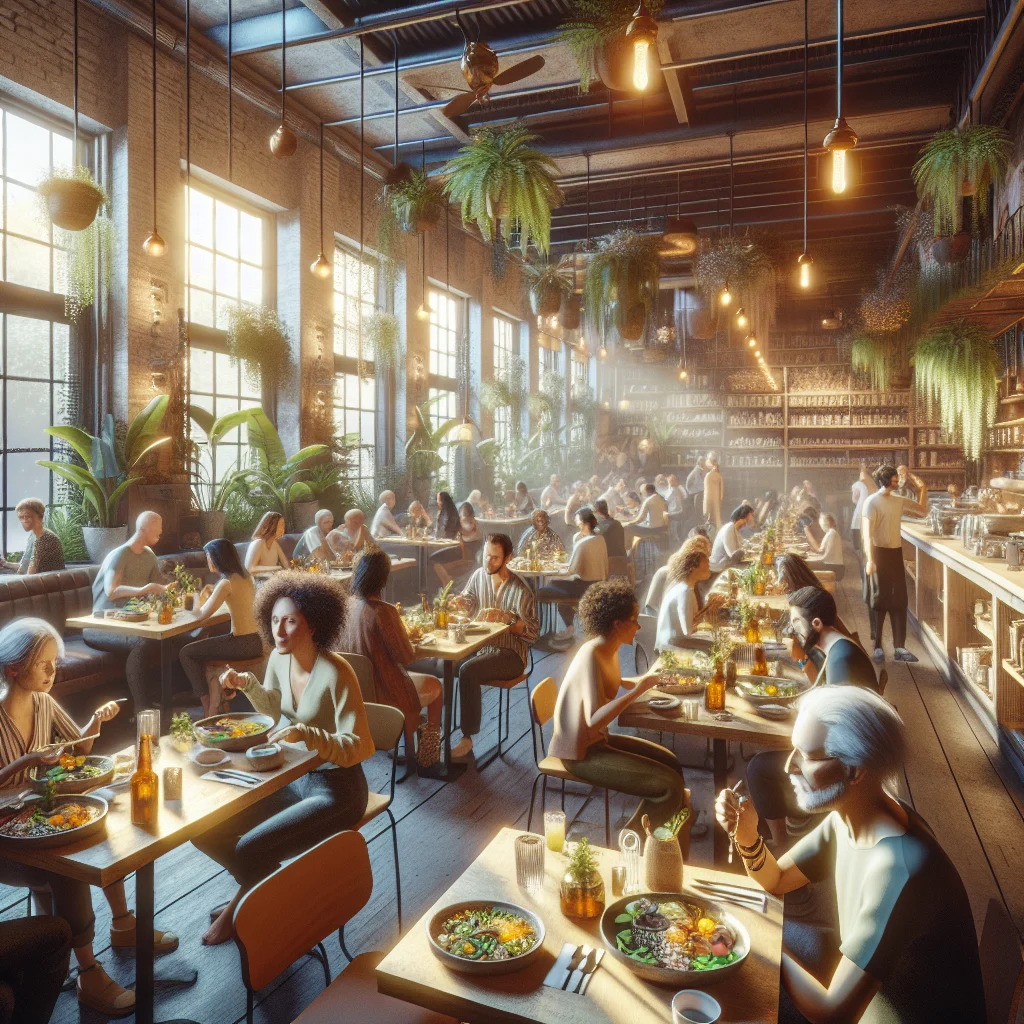
They’re transforming how we experience food, ethics, and identity — all through brand.
If you’re a designer, founder, or marketer in the plant-based space, this is your moment to architect restaurant brands that feel as flavorful as the food. Let’s talk about how.
1. From “Vegan Option” to Visionary Brand
Not long ago, vegan meant an afterthought: a dry veggie burger or a sad mushroom on a plate.
Now? We’ve got:
- Fine-dining vegan tasting menus in major cities
- Fast-casual plant-based concepts backed by serious VC money
- Neighborhood cafés that fuse community, activism, and comfort food
- Global fusion spots reimagining cultural classics without animal products
The rise of plant-based dining is fueled by more than preference:
- Climate anxiety and sustainability reports are in the headlines weekly.
- Major food reports track the growth of plant-based foods even as markets fluctuate.
- Celebrities, athletes, and influencers normalize vegan eating on social.
The opportunity:
Vegan restaurants aren’t just serving food — they’re grounding people in a story: “This is who I am. This is what I believe. This is how I want the future to taste.”
If you’re designing for this space, your brand has to carry that emotional weight.
2. Designing a Vegan Brand That Feels Like a Full-Body Experience
A vegan restaurant brand isn’t a leafy logo and the word “conscious” on repeat. It’s an ecosystem.
Here’s how to build one that actually moves people.
A. Visual Identity: Beyond the Green Leaf
The new vegan aesthetic is less “health aisle” and more “cultural movement.”
Think in palettes of feeling, not palettes of vegetables.
Ask: What is the emotional core of this restaurant?
- Cozy & soulful?
- Use warm neutrals, textured typography, and analog-feeling photography.
- Think handwritten type, grainy film, candlelit interiors.
- Bold & future-forward?
- High-contrast color (electric greens, deep charcoals, neon accents), sharp type, modular layouts.
- Let it feel like a fashion brand meets food lab.
- Refined & ritualistic?
- Understated color schemes, minimal typography, spacious layouts, poetic copy.
- Design it like a tea ceremony in brand form.
Support the visual identity with a system:
- Logo variations (full, icon, wordmark)
- Color hierarchy for menus, signage, digital, packaging
- Type pairing that balances readability with character
- Rules for photography: close-up food textures, community moments, chef storytelling
Your visual system should make the message unmistakable: “This is a plant-based experience for people with taste — in every sense.”
B. UX/UI: The Online Journey Has to Be as Craveable as the Food
Before anyone walks through the door, they tap through your digital presence.
For vegan restaurants, your website and digital touchpoints are more than logistics.
They’re trust-builders and emotion-activators.
Key UX moments to nail:
- Menu Clarity Without Preaching
- Make “vegan” a given, not a disclaimer.
- Use icons and tags thoughtfully: GF, soy-free, nut-free — accessibility is part of the experience.
- Include rich descriptions that talk about flavor, texture, and origin — not just ingredients.
- Storytelling Placement
- Your why shouldn’t be buried.
- Place a short, emotionally resonant story on the home page:
- Why plant-based?
- What cultural roots influence the food?
- What does this restaurant hope guests feel after a meal?
- Booking & Ordering Flows
- Reservations should feel frictionless: a few taps, clear confirmation.
- Online ordering: high-quality dish photos, easy customization for allergens, smart upsells that feel like guidance, not pressure.
- Microcopy That Feels Human
- Swap generic CTAs (“Order Now”) for tonal alignment (“Let’s Eat”, “Start Your Ritual”, “Build Your Feast”).
- Error states, empty carts, loading pages — all can reinforce personality and care.
You’re not just designing a website; you’re designing the first bite.
C. Emotional Architecture: Designing for Values Without Guilt
Vegan restaurants sit at the intersection of:
- Ethics
- Environment
- Culture
- Pleasure
That can easily slide into finger-wagging, purity culture, or identity policing.
A better approach: design for invitation, not interrogation.
Brand questions to work through:
- Are we here to comfort or challenge?
- Do we want guests to feel relieved, empowered, inspired, or delighted?
- How do we hold space for the curious flexitarian, not just the committed vegan?
Translate that into brand touchpoints:
- Language:
- Replace “don’t / can’t / shouldn’t” with “discover / try / explore / feel.”
- Visual cues:
- Instead of cutting out images of “forbidden foods,” show abundance: spreads, feasts, textures, vibrant color.
- Community-building:
- Host pop-ups, chef collabs, local farmer spotlights, cultural nights — your brand becomes less a restaurant, more a gathering place.
Emotional intelligence in branding says: We see you. We’re glad you’re here, no matter why you came.
3. Live Trends Shaping Vegan Restaurant Brands Right Now
The plant-based restaurant landscape isn’t static; it’s evolving in real time.
Here are key live trends designers and founders should pay attention to:
1. Fine-Dining Vegan Keeps Rising
Vegan tasting menus are getting press everywhere:
- Europe continues to see vegan and plant-forward concepts enter high-end dining rankings.
- Chefs are designing dishes that stand on complexity and craft, not substitution.
Brand note:
This space demands elevated design — think bespoke typography, print-level menus, immersive digital experiences, and cinematographic video.
2. Cultural Authenticity Over “Veganizing Everything”
A powerful move: restaurants led by chefs reimagining their own cultural cuisines through a plant-based lens.
- Think vegan Filipino, Ethiopian, Caribbean, or Mexican concepts that treat tradition with reverence, not as a novelty.
- The storytelling centers culture and memory first, plant-based second.
Brand note:
Design needs to honor roots — color, typography, photography, and language should be shaped in collaboration with the people whose stories are being told.
3. Fast-Casual & QSR: Plant-Based as Fast, Fun, and Familiar
Global chains experiment with plant-based burgers, nuggets, and bowls while indie vegan fast-casual continues to grow.
Brand note:
Speed and familiarity don’t have to kill character. Strategic use of bold color, witty tone, and recognizable-but-remixed food photography can make vegan fast food feel like a movement, not a gimmick.
4. Transparency as a Brand Advantage
Diners are asking:
- Where is this sourced?
- How sustainable is this, actually?
- Is staff treated well? Are labor and supply chains ethical?
Restaurants that show sourcing stories, supplier partnerships, and impact metrics (even simple ones) earn deeper loyalty.
Brand note:
Design for radical clarity: visual data, simple language, behind-the-scenes visuals — make “how we do things” a visible part of the brand, not a PDF buried in the footer.
4. Bringing It All Together: A Framework for Designing Vegan Restaurant Brands
If you’re building or refreshing a vegan restaurant brand, use this as a working blueprint:
- Define the Emotional Core
- One sentence: “We want people to leave feeling ______.”
- Let that drive visual decisions, UX flows, and voice.
- Map the Experience Arc
- Discovery → Browsing → Booking/Ordering → Arrival → Dining → Sharing → Returning
- Identify 2–3 “wow moments” and 2–3 “friction points” to design around.
- Create a Visual Identity System, Not Just a Logo
- Logo suiteColor systemType systemPhotography directionLayout rules for web, menus, socials, packaging
- Design a Story-Led Digital Presence
- Home: story + instant food desireMenu: clarity + craveabilityAbout: values + human facesJournal/News: seasonal menus, events, collaborations, impact updates
- Discover Your Signature Rituals
- A signature welcome snackA storytelling moment on the menuA post-meal tea, card, or QR code to a playlist
- These become the details your community talks about and shares.
5. The Future of Vegan Dining Is Experiential, Not Just Ethical
Vegan restaurants today are less about restricting and more about reimagining.
As designers and founders, we’re not just making things “look good.” We’re translating a worldview into textures, type, light, and interaction.
The question isn’t:
“How do we make vegan seem normal?”
The question is:
“How do we craft a brand experience so expressive, so emotionally resonant, that vegan feels inevitable?”
That’s the work. That’s the opportunity.
If you’re building a vegan restaurant brand and want to shape an experience that hits the heart, the palate, and the timeline all at once — this is your canvas.