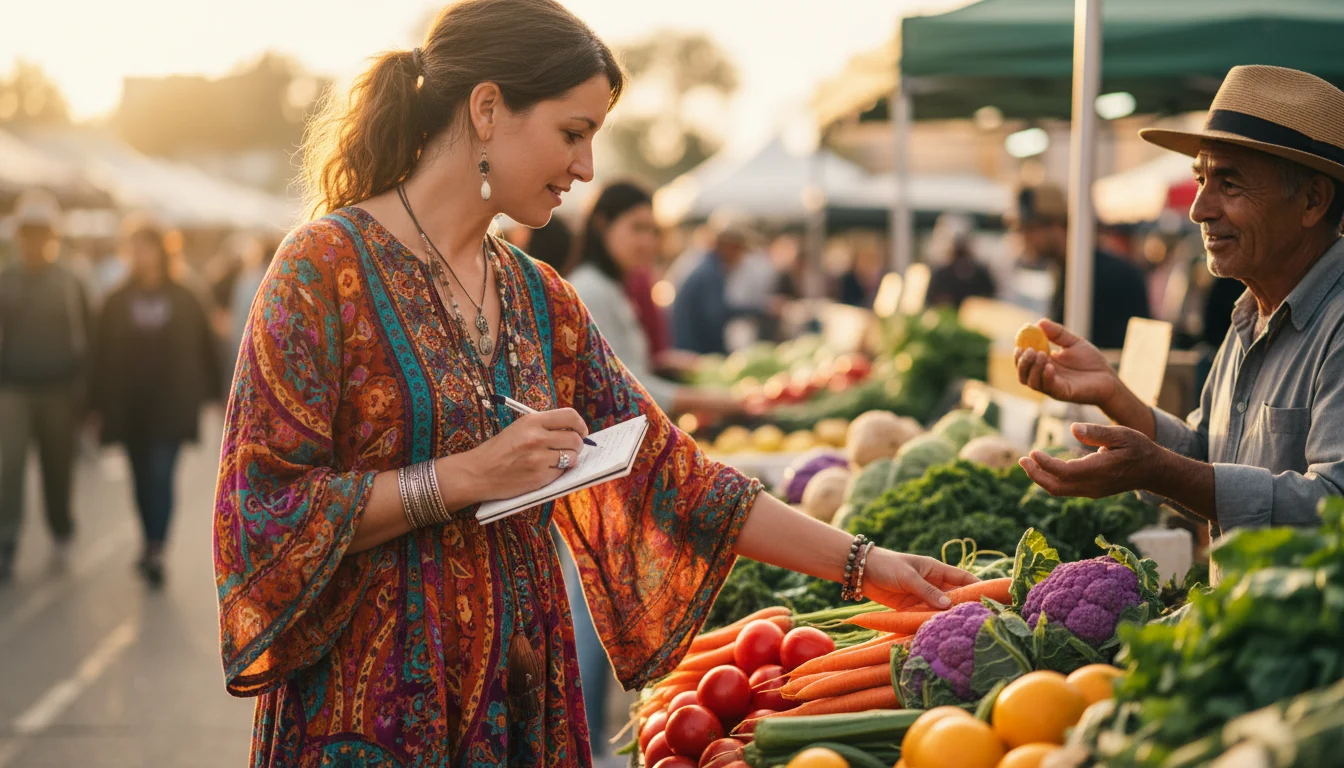
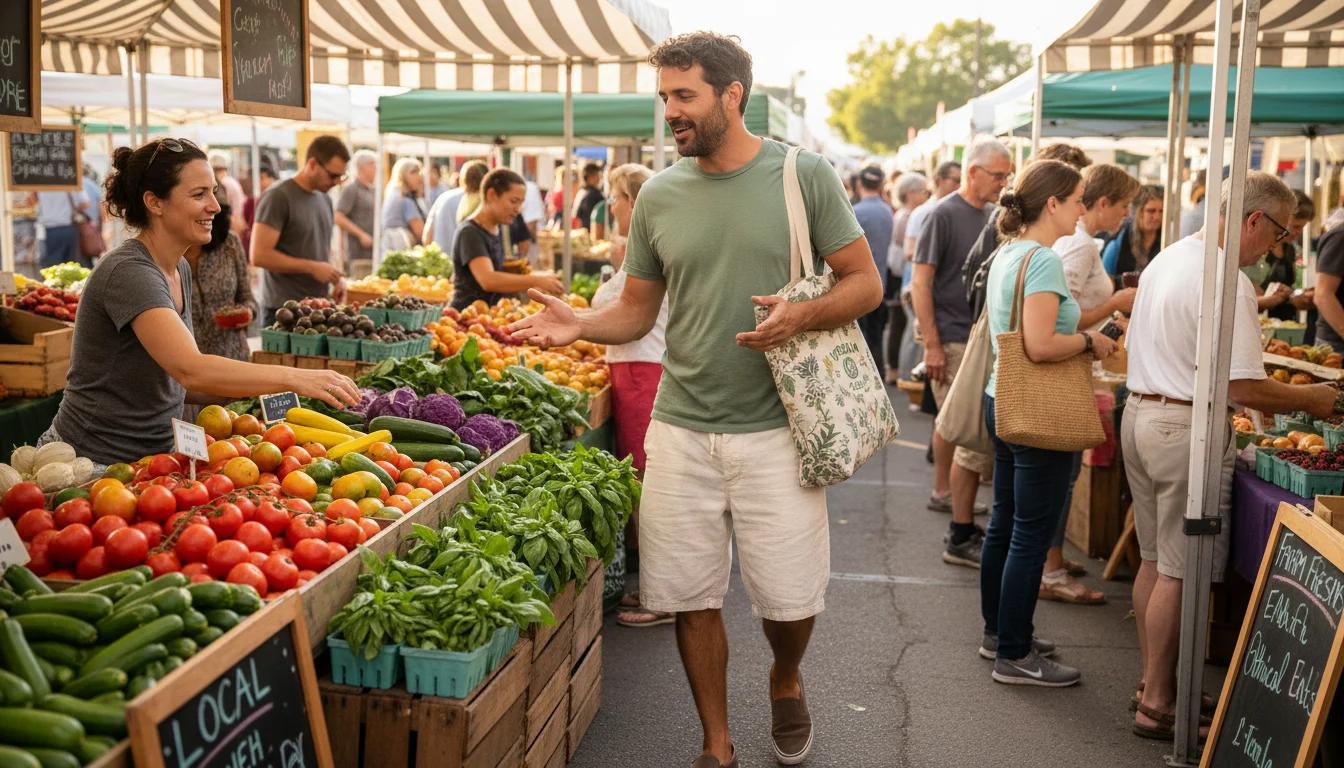
The vegan market is no longer just about swapping meat for plants. A powerful new force is reshaping the future of vegan businesses online: climatarian consumers—people who choose products based on their climate impact as much as (or more than) their ingredients list.
This shift is transforming how vegan founders build, market, and grow their businesses. It’s not enough to be plant-based; today’s customers want low-impact, transparent, and culturally-aware brands that align with their values and identities.
If you’re a vegan entrepreneur (or want to be one), this is the trend to pay attention to.
Why Climatarian Culture Matters for Vegan Businesses
Veganism used to be seen as niche or “alternative.” That’s changed. In 2024:
- Global Google searches for “plant-based” and “vegan recipes” remain high, but there’s a parallel rise in searches for terms like “low carbon diet,” “sustainable protein,” and “regenerative agriculture.”
- Major players like Nestlé, Unilever, and Starbucks are investing heavily in climate-labeled menus, plant-based product lines, and sustainability reporting.
- Platforms like TikTok and Instagram have turned “climatarian” into an aesthetic and identity—#climatarian and #sustainableeating content now includes recipe creators, climate educators, and small vegan brands showcasing their supply chains.
The message:
Your customers are no longer just asking, “Is this vegan?” They’re asking:
- “What’s the carbon footprint of this product?”
- “Where and how was it made?”
- “Does this brand care about workers, culture, and community, not just animals and profits?”
As a vegan founder, that’s a challenge—but also a huge opportunity.
From Vegan to Climate-First: The New Entrepreneurial Sweet Spot
The heart of the climatarian trend is simple: people want products that are good for them, good for animals, and good for the planet—without sacrificing taste, convenience, or culture.
This is reshaping vegan entrepreneurship in three big ways:
1. Product Development Is Now Climate-Conscious by Default
We’re seeing more vegan businesses:
- Prioritize whole, minimally processed ingredients over ultra-processed substitutes.
- Highlight locally sourced or regionally appropriate crops (millets, beans, seaweed, pulses) instead of shipping exotic “superfoods” halfway around the world.
- Offer refillable, low-waste or package-free options.
Recent examples:
- NotCo (the AI-powered plant-based company) continues to gain traction by formulating plant-based products that balance taste with environmental impact.
- Startups in Europe and the US are experimenting with climate labels on packaging, showing emissions per portion or comparing their footprint to animal-based equivalents.
If you’re building a vegan brand today, “vegan + climate-smart” is fast becoming table stakes.
2. Brand Story Is Expanding Beyond Animal Ethics
Earlier waves of vegan branding focused heavily on animal rights. That’s still important, but climatarian consumers also want:
- Science-backed sustainability claims
- Cultural sensitivity and diversity, not just Western “wellness” narratives
- Honesty about trade-offs (e.g., acknowledging packaging constraints or regional sourcing limits)
Cultural insight:
Gen Z and younger millennials are especially tuned into intersectionality—they’re skeptical of brands that talk about compassion for animals while ignoring labor practices, racial equity, or land rights. They want veganism that respects people, cultures, and ecosystems.
3. Digital-First Transparency Is the New Growth Lever
Selling online means your brand is only as credible as the receipts you show. Climatarian culture thrives on visual, shareable proof:
- Photos and videos from farms, kitchens, and factories
- Clear breakdowns of ingredients, sourcing, and certifications
- Easy-to-understand visuals about carbon savings or resource use
The brands winning attention on TikTok, YouTube, and Instagram are those that pull back the curtain.
What This Means If You’re Starting or Scaling a Vegan Business Online
Let’s turn this trend into something you can actually build around.
Below are strategic ways to fuse vegan lifestyle, climate-consciousness, and entrepreneurship into a business that resonates with tomorrow’s consumers.
1. Start with a Climate-Conscious Niche, Not Just a Vegan One
Instead of simply thinking, “I want to start a vegan business,” frame it like this:
“What specific problem do climatarian-aligned customers have that I can solve with a vegan solution?”
Some examples:
- Low-impact pantry staples
- Upcycled granola, bean-based spreads, lentil pasta, or zero-waste nut butters.
- Emphasize ingredients that are climate-friendly (pulses, oats, seaweed, seasonal local crops).
- Climatarian meal kits or digital meal plans
- Weekly subscription with carbon-friendly recipes, shopping lists, and batch-cooking guides.
- Perfect for busy professionals who want to eat vegan more often but don’t have time to plan.
- Vegan snack brands for remote workers or gamers
- Snacks that are plant-based, shelf-stable, and come in compostable or low-plastic packaging.
- Pair with a climate story: low-impact ingredients, regional sourcing, or upcycled byproducts.
- Vegan beauty and personal care with climate receipts
- Soaps, shampoos, and skincare that are cruelty-free and focused on water conservation, renewable energy, and plastic reduction.
- Offer lifecycle transparency on your site: ingredients, sourcing, end-of-life packaging.
The question isn’t “Is my idea vegan?”
It’s: “Is my idea vegan, climate-smart, and clearly solving a real lifestyle or identity need?”
2. Build a Brand Narrative Around Impact—But Don’t Greenwash
With climate talk everywhere, greenwashing is under intense scrutiny. New regulations in the EU, UK, and other regions are cracking down on vague claims like “eco-friendly,” “green,” or “sustainable” without evidence.
To build trust:
Be specific or don’t say it
Instead of:
- “Planet-friendly vegan snacks”
Say:
- “Plant-based snacks made from upcycled oats and local chickpeas, with 90% plastic-free packaging and no air-freighted ingredients.”
Share real numbers when possible
You don’t need a full-blown lifecycle assessment to start. You can highlight:
- Percentage of ingredients sourced domestically or within a defined radius
- Percentage of packaging that’s compostable, recyclable, or reusable
- Any carbon reductions achieved vs. a conventional equivalent (if you have data)
If you partner with a third party or use publicly available research to estimate impacts, make that clear on your site and in content.
Show your trade-offs openly
Example:
- “We haven’t found a fully compostable, food-safe film that protects product quality, so for now we use recyclable soft plastic and partner with a specialist recycler. Here’s the plan for improving this over the next 12 months.”

Climatarian-aligned customers reward humility, clarity, and progress, not perfection theater.
3. Make “Behind-the-Scenes” Your Content Engine
You don’t need a huge ad budget; you need a visible process.
Turn your operations into compelling content:
- Sourcing spotlights
- Short videos or Reels with your farmers or suppliers.
- Explain why you chose these ingredients (soil health, water use, land regeneration, local economy).
- Production walkthroughs
- Show your kitchen, factory, or studio.
- Talk about energy use (e.g., renewable energy), waste reduction, and ethical labor practices where possible.
- Impact days or initiatives
- Tree-planting is overused, but regenerating soil, supporting community gardens, collaborating with local climate initiatives, or funding food access programs resonate strongly.
This type of content works especially well on:
- TikTok: fast, educational, personality-driven behind-the-scenes
- Instagram Reels: visual storytelling of your product journey
- YouTube Shorts & long-form: deeper dives into your process, collabs, and founder story
Think of your brand as a living docuseries about what it means to run a climate-conscious vegan business.
4. Design Your Product Experience for Low-Impact Convenience
Climatarian customers often live busy, urban, hyper-digital lives. They want options that feel:
- Convenient
- Repeatable
- Low-drama
And they don’t want sustainability to feel like punishment.
Ideas to design for this:
- Subscription models with climate perks
- Offer incentives for bulk orders or reduced shipping frequency to cut packaging and transport emissions.
- Example: “Choose a monthly instead of weekly delivery and get 10% off—we consolidate shipments to cut carbon.”
- Refill & reuse systems
- Refill pouches for pantry goods or personal care products.
- Partner with zero-waste stores or local refill stations.
- Digital-first education baked into the product
- QR codes on packaging linking to:
- Carbon or water footprint info (even if high-level)
- Recipe ideas to reduce food waste
- Guidance on how to dispose of or reuse packaging
Making the “right” choice easy and pleasant is a powerful business moat.
5. Align Your Brand with Cultures, Not Just Categories
Veganism has often been framed as a Western wellness trend, which can erase or ignore:
- The long histories of plant-based cuisines in cultures across Asia, Africa, Latin America, and the Middle East
- The people and communities most affected by climate change—who often contribute the least to it
Climatarian consumers are increasingly aware of this and want brands that:
- Honor food traditions instead of appropriating them
- Give credit to origin cuisines and, ideally, support communities connected to them
- Avoid turning everything into a “clean,” decontextualized “superfood”
Some ways to integrate this:
- Collaborate with chefs or creators from the cultures whose cuisines inspire your products.
- Highlight cultural context in your product copy and content.
- Support organizations working on:
- Land rights and food sovereignty
- Climate resilience in frontline communities
- Access to healthy, affordable plant-based foods in underserved areas
This moves your brand from “trendy vegan product” to values-driven cultural ally.
6. Use Story-First SEO to Attract Climatarian-Aligned Traffic
Organic search is still a major growth channel, but traditional keyword stuffing won’t cut it with this audience. Instead, think: story + search intent + authority.
Some SEO content ideas for vegan climate-conscious brands:
- “How to Build a Low-Carbon Vegan Pantry on a Budget”
- “Vegan Meal Prep for a Climatarian Week: 5-Day Plan with Recipes”
- “What Is a Climatarian Diet? Vegan, Flexitarian, and Everything in Between”
- “The Truth About [Ingredient]: Climate Impact, Ethics, and Better Alternatives”
- “Vegan and Sustainable: How We Source Our [Product] Without Greenwashing”
In each piece:
- Share data (with sources) on emissions, water use, or land use.
- Weave in your brand’s approach as a natural part of the story, not a hard sell.
- Use clear headings, short paragraphs, and internal links to your product pages and about page.
Over time, this positions your brand as a trusted educator, not just a seller.
7. Turn Customers into Co-Creators of Climate-Smart Veganism
One of the strongest cultural shifts we’re seeing: customers don’t just want to consume; they want to participate.
Ways to tap into that:
- Feedback loops on product impact
- Invite customers to vote on:
- New flavors based on locally available crops
- Packaging experiments you’re considering
- Run polls on social platforms about climate priorities: packaging vs. local sourcing vs. certifications—and share how you act on that input.
- User-generated content challenges
- Ask customers to show:
- How they reuse your jars or packaging
- Their low-waste recipes using your products
- Their “climatarian week” featuring your offerings
- Community hubs or virtual events
- Host live sessions with:
- Climate dietitians or nutritionists
- Farmers or suppliers you work with
- Climate activists or food justice organizers
This deepens loyalty and turns your customers into advocates and collaborators.
Common Pitfalls to Avoid as a Vegan Climate-Conscious Founder
As you lean into this trend, be mindful of a few traps:
- Don’t claim perfection. Customers trust brands who share their rough edges and ongoing work.
- Climatarian culture can’t just be for the affluent. Be honest about pricing constraints and work, where possible, to:
- Offer smaller, more affordable units
- Create free educational content that helps people eat more plant-based even without buying your product.
- The most powerful brands design their supply chains, packaging, and logistics with climate in mind—then tell the story. Not the other way around.
- Don’t borrow flavors, aesthetics, or narratives without credit, collaboration, or benefit-sharing.
The Future of Vegan Entrepreneurship Is Climatarian, Cultural, and Creative
Vegan lifestyle and entrepreneurship are no longer separate worlds. They’re merging into a new kind of business culture where:
- Customers are climate-aware, values-driven, and digitally native
- Founders are expected to be transparent, culturally sensitive, and impact-focused
- Growth is tied not just to sales, but to education, community, and real-world change
If you’re building or growing a vegan business online right now, leaning into the climatarian trend isn’t just smart positioning—it’s aligning yourself with the future of food, commerce, and culture.
Your Next Steps as a Vegan Founder
To put this into action in the next 30 days:
- Where are your biggest strengths? (e.g., local sourcing, minimal processing)
- Where are your obvious gaps? (e.g., packaging, unclear impact claims)
- A blog post, TikTok series, or Reel that explores your product’s climate angle with real detail.
- Switch to a more sustainable ingredient, improve packaging, consolidate shipments, or partner with a local climate or food access project.
- Document your process, your doubts, your experiments. This is what builds real trust.
Vegan lifestyle meets entrepreneurship most powerfully when your business becomes a living example of the world you want to see—one low-impact, honest, creatively-designed product at a time.