Vegan isn’t a “diet trend” anymore—it’s a design brief.
If you’re building or branding a vegan restaurant right now, you’re not just competing on taste. You’re competing on experience. On story. On how it feels to walk through the door, open the menu, scroll the website, or tap “order now” on your phone at 11:47 pm.
Today’s plant‑based diners are emotionally fluent, trend-aware, and deeply online. They’re tracking climate headlines, scrolling TikTok food creators, bookmarking wellness posts, and watching how brands respond to everything from sustainability to social justice. In 2024, vegan restaurants aren’t just serving food—they’re serving values.
Let’s talk about how to design that.
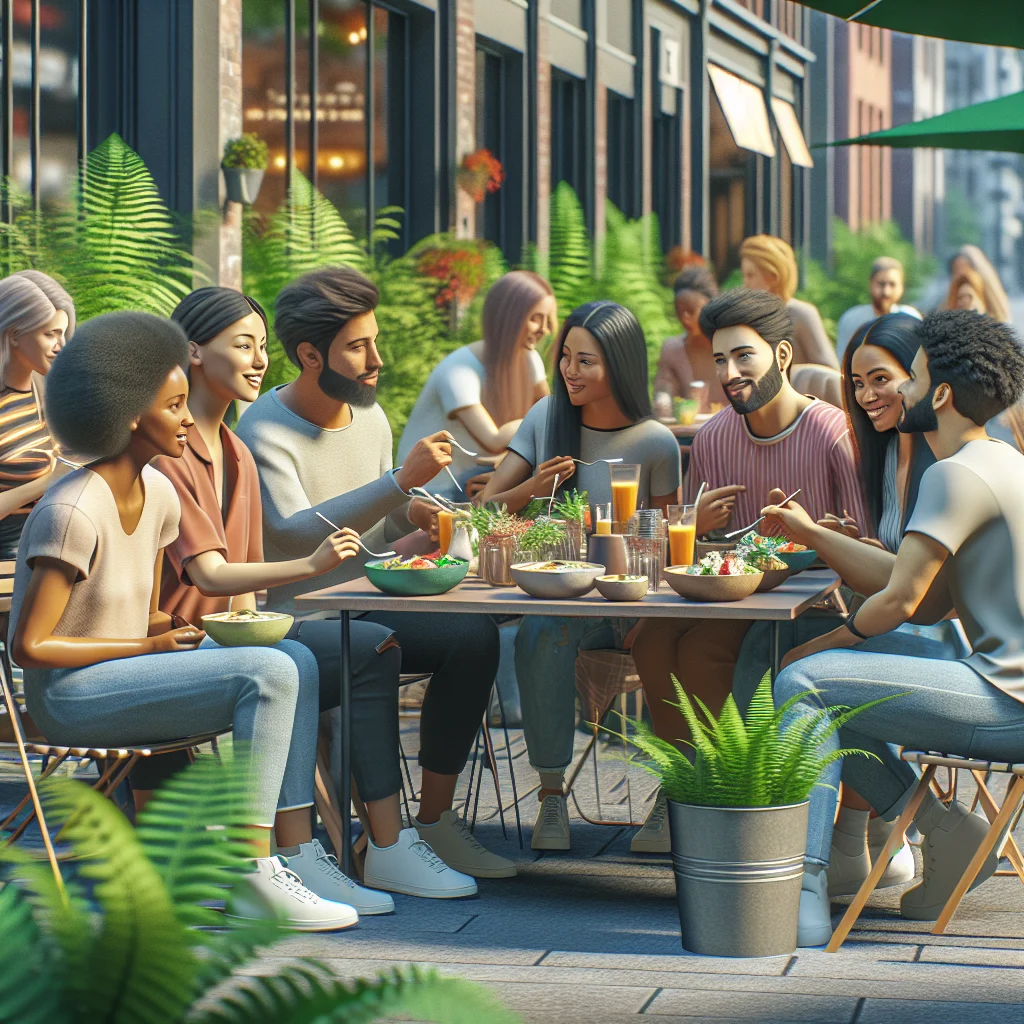
The Vegan Restaurant Is Now a Brand Experience, Not Just a Place to Eat
Look at what’s happening globally:
- Plant-based is still rising: Major reports continue to show growth in plant-based menus and flexitarian eating, even if retail meat-substitute hype has cooled. People might not be going fully vegan—but they are choosing plant-based more often.
- Chains are testing vegan formats: From fast-casual brands expanding vegan options to entire plant-based locations being piloted, mainstream food culture is shifting its center of gravity.
- Gen Z is driving the narrative: They care about climate, ethics, and wellness—but they also care about aesthetic. They want their food to look good on camera and feel aligned with their identity.
This is the context your vegan restaurant brand lives in.
You’re not just answering, “What’s good to eat?” You’re answering, “What feels aligned with who I am and the future I want?”
That’s a design problem. A brand problem. An experience problem.
Step 1: Clarify Your Vegan Story (It’s Not Always About Being “Perfect”)
“Vegan” is the what. Your brand experience needs the why.
Ask yourself:
- Are you here for planet impact? (Carbon footprint, climate anxiety, regenerative sourcing.)
- For animal ethics? (Compassionate food systems, transparency, activism.)
- For wellness and performance? (Energy, gut health, longevity.)
- For culture and flavor? (Reclaiming traditional dishes, elevating comfort food, street-food energy.)
- For accessibility and inclusivity? (Making plant-based feel welcoming instead of elitist.)
You can blend these, but choose a core anchor. It’s the emotional thread that will weave through your:
- Visual identity
- UX and digital touchpoints
- In-restaurant experience
- Social content and campaigns
When your “why” is clear, every design decision becomes easier—and more consistent.
Step 2: Design a Visual Identity That Feels Like Your Food
For vegan restaurants, the visual clichés are everywhere: green leaves, script fonts, and stock photos of salads with way too many cherry tomatoes.
You can do better.
Translate Flavor into Visual Language
Ask: “If our signature dishes were colors, textures, and shapes, what would they be?”
- Bold, indulgent comfort food (burgers, loaded fries, mac ’n’ cheese): Use saturated color, high contrast, chunky typography, and playful motion. Think bold reds, golds, and charcoal, not just “eco green.”
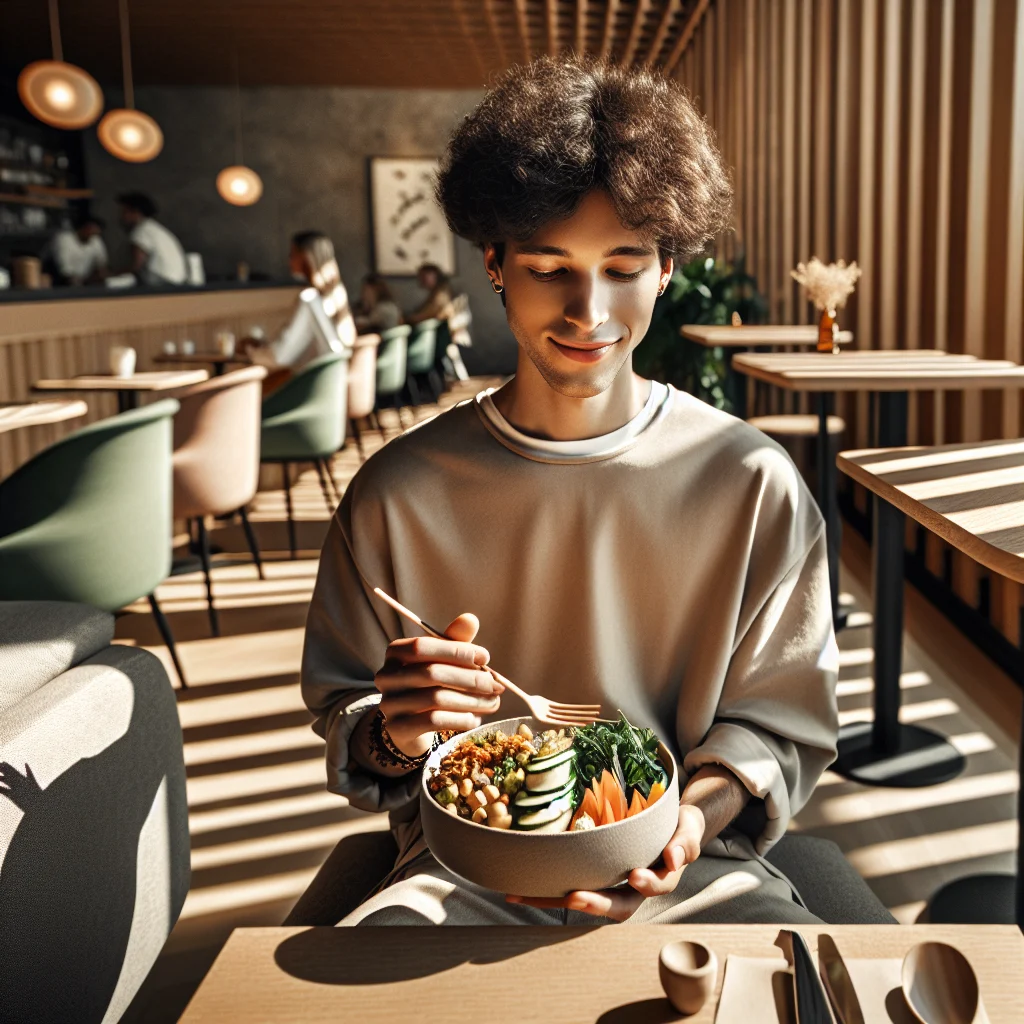
- Minimal, wellness-focused menu (grain bowls, cold-pressed juices): Lean into soft neutrals, airy whitespace, clean grids, refined type. Think spa-meets-scandinavian.
- Culture-rooted plant-based cuisine (Caribbean, Filipino, Middle Eastern, etc.): Bring in patterns, typography, and color stories inspired by heritage—without leaning into caricature. Let culture be modern, proud, and dynamic.
Avoid the “Token Green Brand”
Instead of building a brand that screams “I AM VEGAN,” build one that says:
“I’m delicious, intentional, and future-minded. Also: my entire menu happens to be plant-based.”
Let veganism be the foundation—your visual language should express emotion:
- Cozy
- Rebellious
- Luxurious
- Nostalgic
- Street-smart
- Playful
- Meditative
Pick one or two core emotional tones and design from there.
Step 3: UX/UI for Vegan Restaurants — Your Digital Experience Is a Dining Room Too
Your website and online ordering flows are as much part of the restaurant as the bar, the host stand, or the kitchen pass.
Homepage: Make the Promise in 3 Seconds
Your homepage should answer:
- What do you serve?
- How do you want me to feel?
- What makes you different from every other vegan spot?
Design moves:
- Hero section with real photography (or beautifully art-directed illustration), not generic stock.
- A short, emotionally resonant line: “Plant-based comfort food for late-night cravings.” “Vegan fine dining rooted in Pacific flavors.” “Neighborhood plant kitchen for people who love flavor first.”
- Clear primary action: “View Menu,” “Book a Table,” or “Order Now.”
Menu UX: Clarity, Intuition, Craving
Make your menu searchable and easy to parse:
- Tag smartly: gluten-free, soy-free, nut-free, high-protein, spicy, kid-friendly.
- Show ingredients and story: A short line on origin, sourcing, or inspiration adds emotional depth.
- Design for choice architecture: Highlight bestsellers and signature dishes. Use photos strategically—not for every item, but enough to create craving.
Online Ordering: Remove Friction, Add Delight
People abandoning carts because they’re confused, overwhelmed, or annoyed is a UX issue, not a demand issue.
Design for:
- Fewest steps possible: Choose location → Choose order type (pickup/delivery) → Choose items → Checkout.
- Clear delivery expectations: Time estimates, radius, and fees should be obvious.
- Accessible design: High contrast, readable fonts, easy tap targets, alt text for images.
Bonus: Microinteractions. A small loading animation that references plant growth, a playful progress bar, or a confirmation screen that feels celebratory—that’s emotional UX.
Step 4: In-Restaurant Experience — Design the Journey, Not Just the Decor
Every touchpoint in your space is a storytelling moment:
- The moment someone sees your sign from the street.
- The first step through the door.
- The glance at the menu board.
- The wait at the counter.
- The first bite.
Map the Emotional Arc
Ask:
- How do we want guests to feel in the first 10 seconds? (Welcomed, curious, surprised, calmed?)
- What sensory cues support that?
- Lighting (warm? bright? dramatic?)
- Scent (baking? grilling? fresh herbs?)
- Sound (lo-fi beats, jazz, Afrobeats, alt-pop, quiet minimalism?)
- Layout (cozy corners vs. communal tables vs. quick-service efficiency)
Visual Cues That Support Your Story
Some examples:
- Sustainability-driven brand? Use clear communication about your materials, waste practices, and sourcing—but make it designed, not preachy. Think minimal signage, meaningful data visualizations, quiet confidence.
- Bold, rebellious burger joint? Murals, neon typography, high-contrast posters, and a visible pass where people can see the plating action.
- Community-focused cafe? Photo wall with local stories, rotating artist features, space for zines, events, or workshops.
Step 5: Content & Social — This Is Where Your Brand Soul Lives
Vegan audiences tend to be hyper-engaged across content platforms—especially when the brand aligns with their values.
Your content should showcase three main storylines:
- Food as Art
- High-quality visuals: macro shots, motion, behind-the-scenes plating, prep details.
- Show transformation: raw ingredients → finished dish.
- Values in Action
- Highlight your sourcing.
- Talk about waste reduction and packaging choices.
- Share impact stories: local farmers, community projects, climate wins.
- People & Culture
- Your team. Their stories. Their favorite dishes. Their playlists.
- Regulars and community members (with consent).
- Events, collaborations, pop-ups, and cause partnerships.
Design your content like a system:
- Consistent typography and color overlays.
- Signature layout styles for specific content types (e.g., recipe reels vs. team spotlights).
- Motion language that feels on-brand (smooth and minimal vs. choppy and hyped).
Step 6: Data, Feedback, and Evolution — Stay Listening
Brand experience is alive. Vegan culture is shifting. Climate news, food innovation, and social movements are constantly reshaping expectations.
Build feedback loops:
- Watch what people photograph in your space.
- Track what dishes go viral vs. what just… exists.
- Run simple on-brand surveys (QR code on the table, nicely designed).
- Listen to reviews—but design your response style so it still feels like you, not generic corporate speak.
Treat this as ongoing UX research for your brand.
Bringing It Together: Your Vegan Restaurant as a Living Story
You’re not just making plant-based food. You’re designing:
- A story people can participate in.
- A physical and digital world they can step into.
- A feeling they crave as much as the dishes.
When your:
- Visual identity reflects your emotional core,
- UX makes every interaction intuitive and delightful,
- Space feels intentional and expressive,
- Content shows the soul behind the menu—
Your vegan restaurant stops being “just another option.” It becomes a place people identify with.
And that’s where loyalty, word-of-mouth, and true brand love live.
If you’d like, I can break this into a series—diving deeper into:
- Visual identity systems specifically for vegan brands
- UX patterns for restaurant websites and ordering flows
- How to design in-restaurant experiences that photograph beautifully and feel genuinely welcoming
Tell me where you want to start, and we’ll sketch the next chapter of your brand experience together.