TL;DR:
Implement community-first website design for vegan businesses by integrating customer interactions, showcasing product use, revealing sustainable practices, creating member inclusivity, and simplifying navigation. Foster engagement through active participation, building long-term brand sustainability.
Community-first website design: How do you build a vegan business site that turns visitors into participants?
You can feel it when a vegan business site is built like a poster. It talks at you. It asks you to buy. It offers a mission statement, a product grid, and a newsletter box that looks like every other box on the internet.
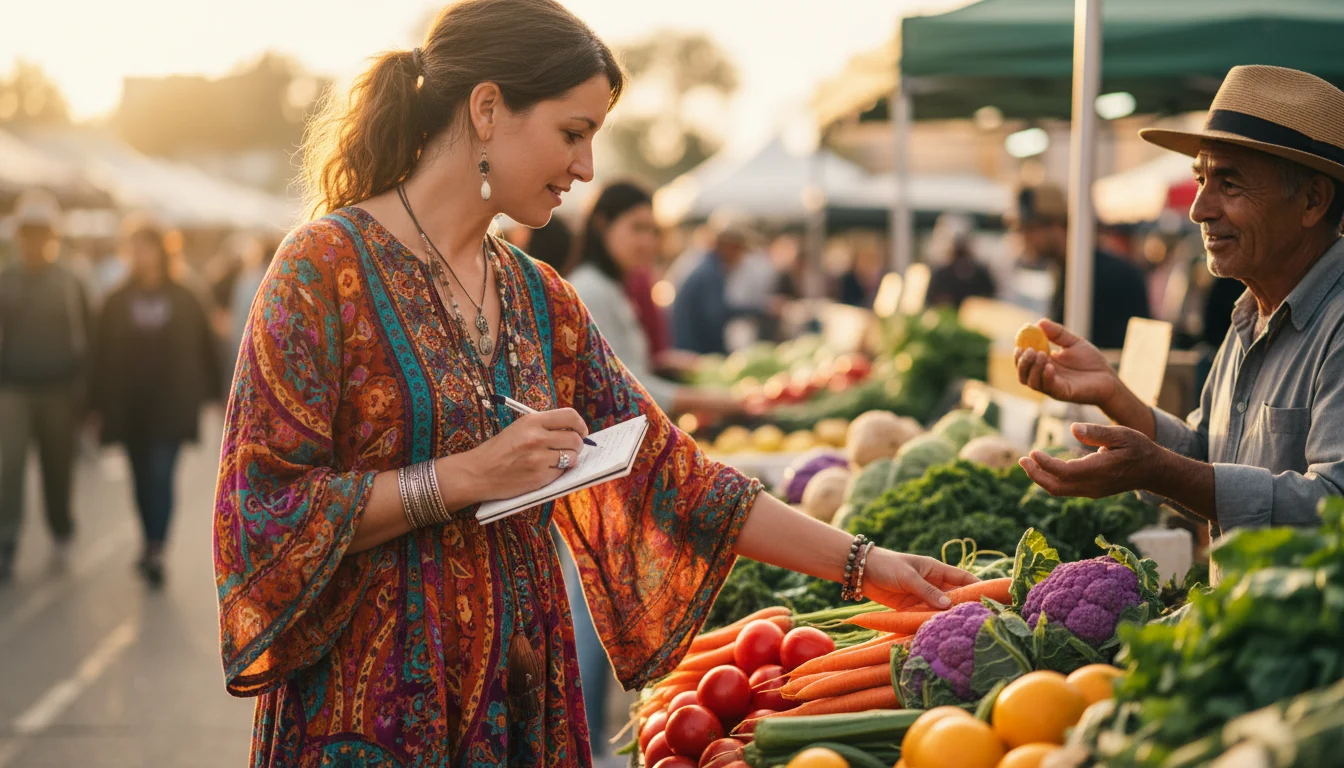
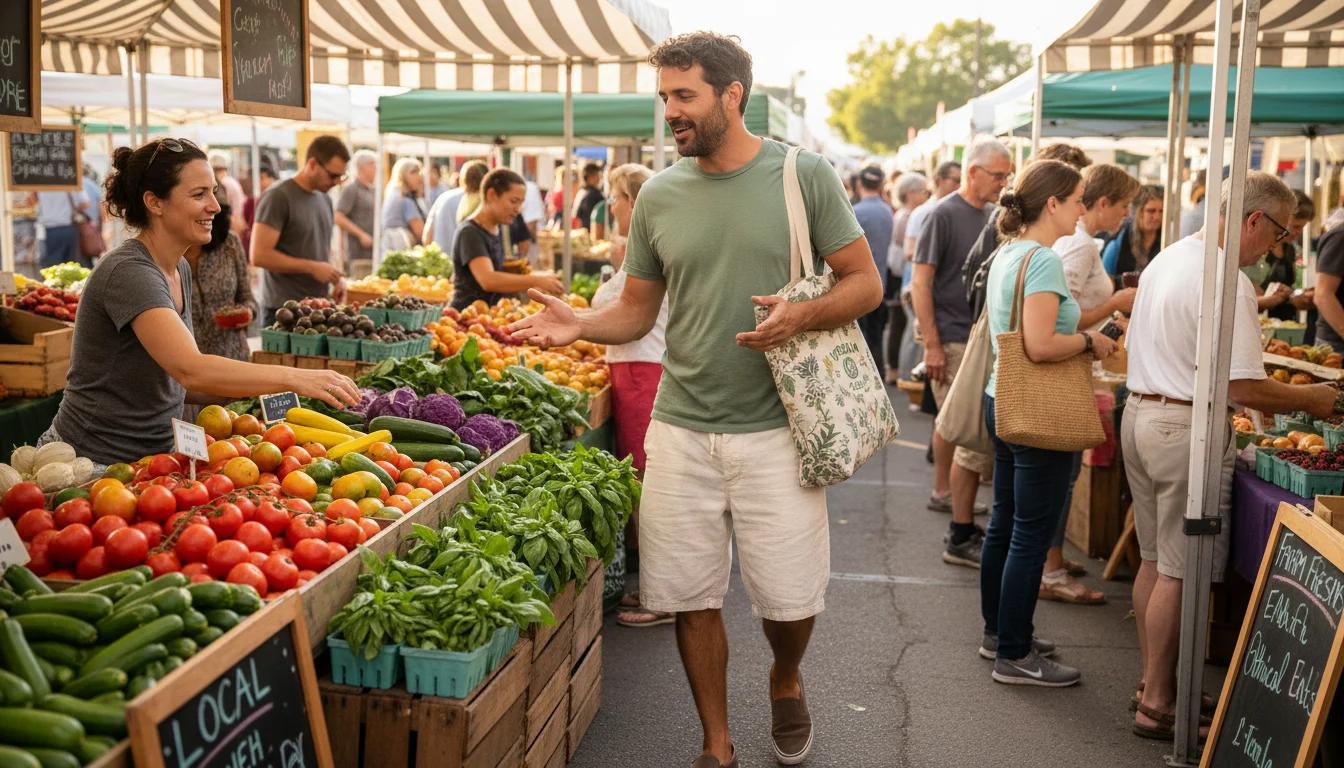
And then you land on a different kind of site. It still sells things, but it also has texture. You can see real people using the product, asking questions, offering suggestions, sharing recipes, organizing meetups, troubleshooting ingredients, and nudging the brand toward better choices. You are not being “converted.” You are being invited in.
If you run a vegan brand online, this difference matters more than ever. Ads cost more, attention is thinner, and customers are tired of perfect messaging. Community-first website design is the sustainability trend hiding in plain sight: instead of treating your site as a funnel, you treat it as a place. The question is how to do that without turning your homepage into a chaotic forum or burying the shopping experience.
This post is built around one practical question: How do you design your website so your vegan brand grows through community, not just marketing?
Below are five design moves you can implement without a redesign-from-scratch. Each one makes it easier for customers to participate, and easier for you to run a business that feels aligned with your values.
1) Put real conversations where your marketing copy usually goes
Most vegan business sites reserve their most visible space for brand claims: “clean,” “ethical,” “plant-powered,” “cruelty-free.” Even when true, it is still a one-way broadcast.
A community-first site makes room for the ongoing conversation. Not as a separate tab nobody clicks, but inside the core browsing and buying experience.
What to build this week
- Add a “Most helpful customer Q&A” block on product pages, above the reviews if possible.
- Pull one customer quote that includes a concrete detail (how they used it, what problem it solved, what surprised them) and place it next to your product description.
- Replace a generic “Join our newsletter” module with a specific prompt: “Ask a question about ingredients,” “Share a recipe,” or “Vote on the next flavor.”
Why it works
Vegan shoppers are often doing extra mental work: scanning ingredients, checking allergens, looking for packaging info, navigating social and ethical trade-offs. When they see a living thread of questions and answers, it reduces friction and builds trust without you having to sound like a press release.
Design note
Moderation is part of the design. If you open up questions, assign someone (even if it is you) to answer within a predictable window. A silent Q&A looks worse than no Q&A.
2) Design your product pages for shared use, not solo purchase
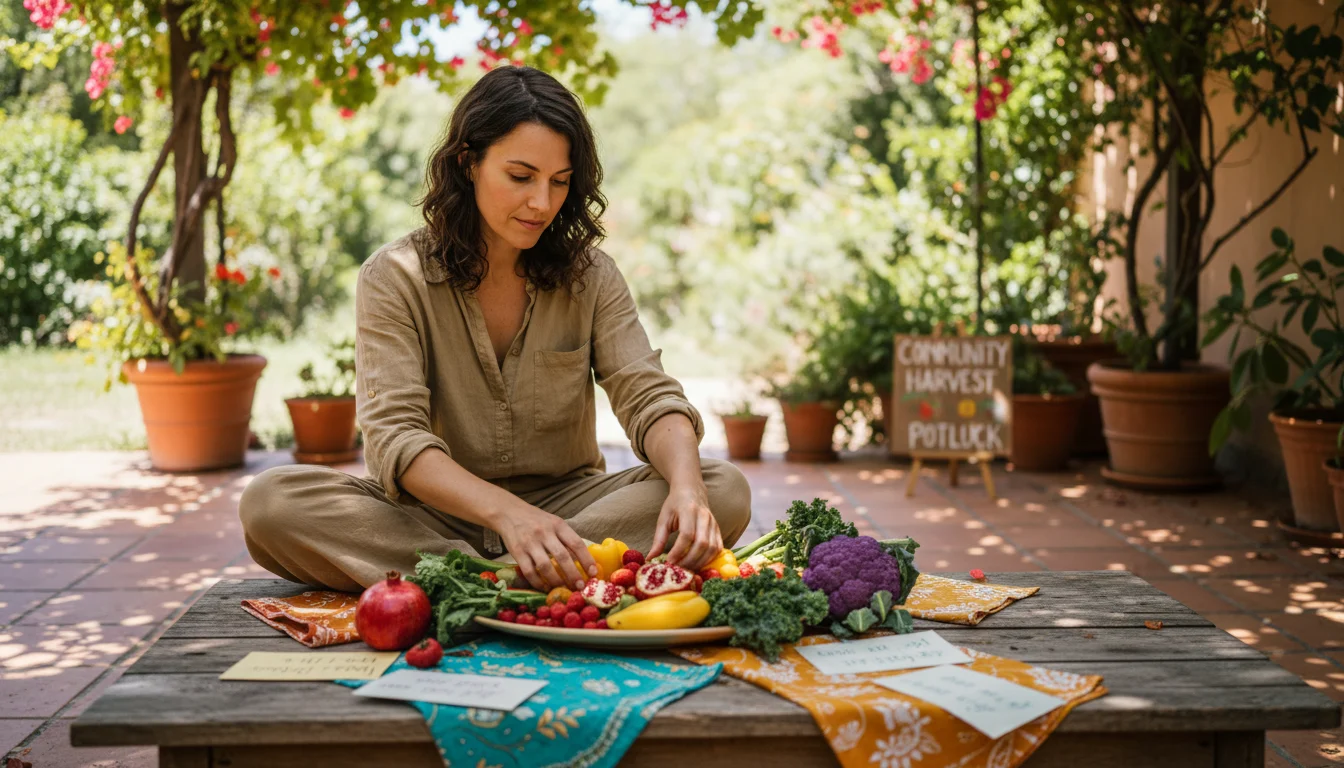
A lot of vegan buying decisions are social. People are buying for a household, a partner, a skeptical friend, a kid with allergies, a potluck, a team lunch. Yet most product pages assume a lone customer making an isolated decision.
Community-first design acknowledges “shared use” and makes it easy to collaborate.
What to build this week
- Add a “Send this to someone” option that creates a clean share page with the essentials: ingredients, allergens, price, shipping, and one short human review.
- Include a small “Good for” panel that is specific and grounded. Example: “Good for packed lunches,” “Good for soy-free households,” “Good for first-time tofu cooks.” Only include what you can honestly support.
- If you sell food, add a “How people actually use this” section with 3 to 5 customer-submitted ideas. Keep it curated, not endless.
Why it works
When someone can quickly share a product with context, they recruit trust on your behalf. That is community growth that does not depend on your ad budget.
Design note
Avoid trying to cover every dietary identity with a wall of icons. Pick the two or three contexts that your customers repeatedly mention, and show you understand them.
3) Make values visible through receipts, not slogans
In vegan business, people care about the how, not just the what. But a site full of values language can start to feel like a contest of moral vocabulary.
Community-first websites shift the tone by showing decisions and trade-offs in plain terms. Not “we are the most sustainable,” but “here is what we do, what we are still improving, and how customers hold us to it.”
What to build this week

- Create a simple “Proof and progress” page that lists 5 to 10 concrete practices you can verify (materials, sourcing standards, packaging choices, facility certifications if applicable).
- Add one “Open questions” section. Example: “We are testing lower-ink packaging. Here is what we are learning. Here is where we would love input.”
- On the checkout or confirmation page, include a short note about impact that is specific to the order: packaging type, shipping consolidation tips, or a reminder about your refill program.
Why it works
People do not expect perfection. They do expect honesty and follow-through. A transparent site attracts customers who want to stick around, not just “try once.”
Design note
Do not invent metrics. If you do not have numbers, do not force numbers. Clear language and verifiable commitments beat vague impact graphs.
4) Build “member moments” into the site, even if you do not have memberships
You do not need a paid community platform to create belonging. You need repeatable moments where customers feel recognized and useful.
Community-first design bakes those moments into the normal site flow.
What to build this week
- Add a small “Community spotlight” module that rotates monthly. Feature a customer recipe, pantry setup, lunchbox routine, or event photo, with permission and attribution.
- Create a “Contribute” page with three clear pathways: submit a recipe, share a tip, or suggest an improvement. Keep the form short.
- After purchase, send customers to a post-checkout page that asks one question only: “What should we tell the next person who is considering this?” That answer becomes your most useful content.
Why it works
Most people will not start a forum thread. They will answer one good question. They will submit one photo. Those small contributions add up, and they make your site feel inhabited.
Design note
If you feature community content, set expectations. Tell people what you will and will not publish, and how long it takes. Participation drops fast when it feels like shouting into a void.
5) Treat your website like a town square, not a maze
A funnel is designed to move people toward a single action as quickly as possible. A town square is designed so people can orient themselves, see what is happening, and choose how to engage.
For vegan businesses, this shift is strategic. Your customers may arrive for one product, but stay because they find their people, their solutions, and their shared language.
What to build this week
- Redesign your navigation around customer intent, not internal categories. “Shop,” “How to use,” “Ingredients and allergens,” “Community,” “Progress.”
- Add a small “What’s happening” strip on the homepage that links to one live thing: a poll, a new recipe roundup, a restock update, an event, a community question.
- Create one page that acts like a hub: “Start here.” Include three routes: “I’m new to vegan,” “I’m feeding mixed diets,” “I’m looking for something specific.” Keep it short and direct.
Why it works
A maze creates drop-offs that you interpret as “low conversion.” Often it is just confusion. A town square reduces confusion and gives people a reason to return even when they are not ready to buy.
Design note
Community-first does not mean clutter-first. A few well-chosen, frequently updated touchpoints beat a sprawling resource library that no one maintains.
How to know you are doing it right (without chasing vanity metrics)
Community-first website design is not measured by how many comments you can collect. It shows up in quieter signals that your site is becoming a place people use.
Look for:
- Customer emails that include “I saw someone mention…” or “I found this through your site.”
- Repeat visitors landing on non-product pages (Q&A, “how to use,” community spotlight).
- Fewer pre-purchase support questions that you have already answered publicly.
- Reviews that reference other customers’ tips, not just your claims.
If your site is doing this, you are not only selling vegan products. You are reducing friction for plant-based living, one shared answer at a time.
A practical next step: pick one page and add one invitation
If you try to “add community” everywhere, you will end up with half-finished features and another maintenance burden. Instead, pick the page that already gets traffic and already carries trust pressure.
For most vegan businesses, that is a top-selling product page.
Add one invitation that makes participation easy:
- “Ask a question about ingredients or allergens.”
- “Share how you used this.”
- “What should we improve next?”
Then commit to responding, curating, and reusing what people share. That is the core of community-first website design: not a platform, but a habit that turns visitors into participants, and participants into the reason your brand outlasts the next algorithm change.