TL;DR:
Vegan brands benefit from community-first website design by fostering belonging and engagement. This approach emphasizes relationships over conversions, aligns with SEO trends, builds trust, and accommodates diverse visitor needs, enhancing both community and sales.
Community-first website design is becoming the new standard for vegan brands online
If you run a vegan business online, you probably know the feeling: you post, you launch, you optimize, you tweak your product pages, and still it can feel like you are always borrowing attention from someone else’s platform. Social feeds shift, ads get pricier, and the “right” content format changes every few months.
At the same time, something else is happening in the background. People are tired of being treated like clicks. They want places that feel like belonging. They want brands that act like real members of the community, not just vendors with a mission statement.
That is why community-first website design is showing up as one of the most important trends shaping the future of vegan businesses online. It is not about turning your site into a forum overnight. It is about designing every page with the question: “How do we make it easier for people to participate, connect, and feel seen here?”
For vegan brands especially, community is not a nice-to-have. It is the reason many customers choose you in the first place.
What “community-first” actually means (and what it is not)
Community-first design is not just adding an Instagram feed to your homepage or putting a “Join our newsletter” popup everywhere. It is also not building a complicated social platform you will not have time to moderate.
At its core, it is a shift from a conversion-only mindset to a relationship mindset.
A conversion-first site asks: How do we get someone to buy as fast as possible?
A community-first site still cares about sales, but it asks: How do we help someone feel at home here, learn something useful, and come back even if they are not ready to buy today?
That approach tends to age better. Algorithms change, but trust and repeat visits compound.
Why this trend is accelerating right now
A few real-world shifts are pushing brands in this direction:
People are migrating into smaller, intentional spaces
Across the internet, there has been a noticeable move away from huge public feeds toward smaller groups, member spaces, private communities, and niche newsletters. Some of that is burnout. Some of it is a desire for safer, more values-aligned spaces. Vegan customers often want community not only for recipes, but for support in a culture that still treats veganism as “weird.”
SEO is rewarding helpful, experience-based content
Search is evolving. Whether people find you through Google, YouTube, or AI-powered search summaries, the through-line is the same: useful, clear, experience-based information wins. Community-first websites naturally produce that kind of content because they are built around real questions people ask, not just product positioning.
Trust has become the currency
Greenwashing skepticism is real, and vegan shoppers are paying attention. If your website feels like a one-way sales pitch, visitors bounce. If it feels like a place where the brand is transparent, responsive, and human, trust grows.
The pain point most vegan founders do not say out loud
A lot of vegan entrepreneurs are trying to do two jobs at once:
That second part is emotionally demanding. It can make marketing feel uncomfortable, like you are constantly trying to justify yourself or persuade people who do not want to be persuaded.
Community-first website design takes some pressure off. It lets your customers and supporters share the load by contributing stories, feedback, and social proof. It creates a feeling that the business is not just “a brand,” it is a shared project.
The five building blocks of a community-first vegan website
You do not need all of these at once. But if you choose even two and build them well, your site will feel different.
1) A clear “start here” path for different types of visitors
Most vegan websites assume everyone is ready to shop. In reality, you get a mix:
- The curious newcomer who is vegan-curious, unsure, maybe overwhelmed.
- The committed vegan who wants specifics, ingredients, sourcing, ethics.
- The supporter buying gifts for a vegan partner or friend.
Create a “Start here” section that routes people based on where they are. This can be a short block on the homepage with three buttons. Keep it simple, but make it genuinely helpful.
Example directions:
- “New to plant-based? Try these easy swaps.”
- “Already vegan? See our ingredients and standards.”
- “Buying for someone else? Gift guide and safe picks.”
This is community-first because it respects people’s context instead of forcing everyone through the same funnel.
2) Community proof that feels human, not staged
Testimonials are common, but community proof goes deeper than star ratings.
Consider adding:
- Customer stories with names and photos (with permission).
- Short quotes about why they choose vegan, not only why they chose your product.
- “How I use it” notes that show real-life routines.
If your product is food, include serving ideas submitted by customers. If it is skincare, include “my sensitive skin experience” stories. If it is apparel, include wear-and-care notes.
The goal is to make the visitor think: people like me are here.
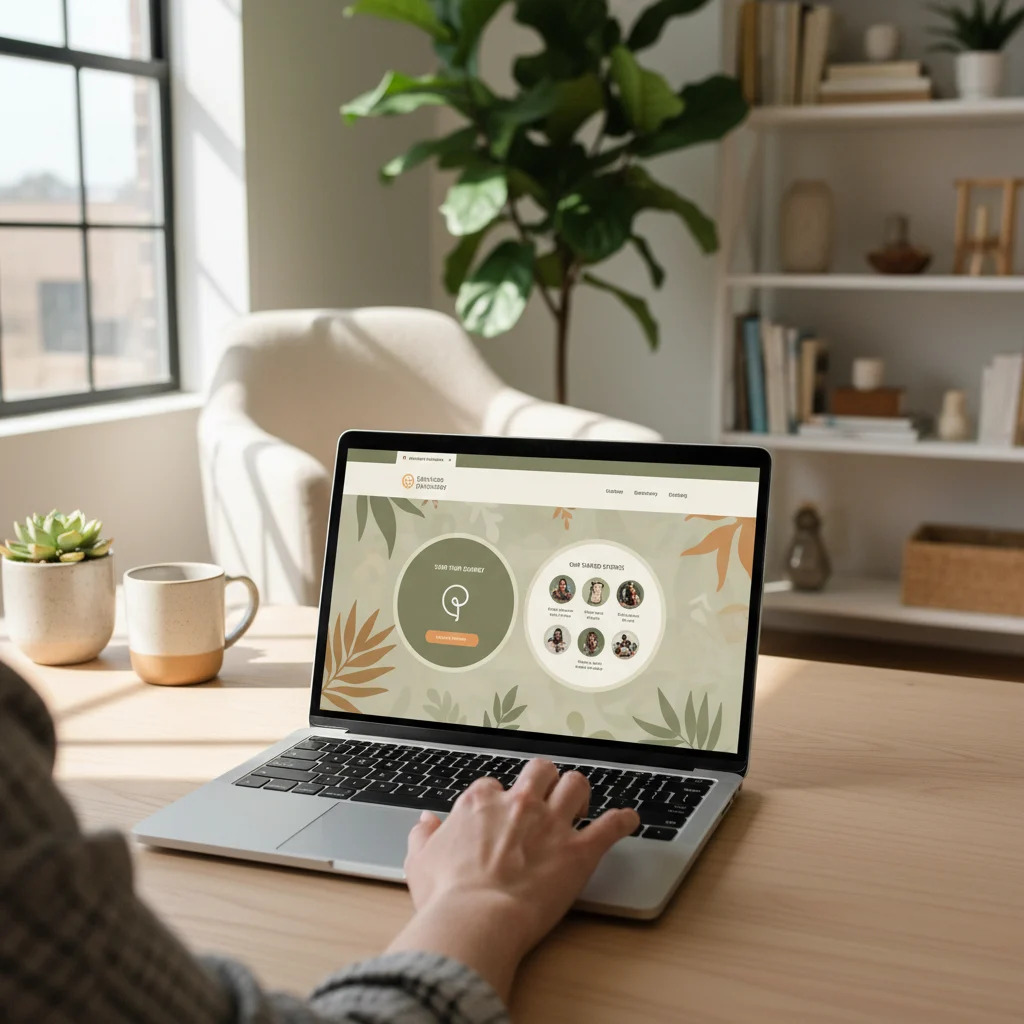
3) A “values page” that is specific enough to be credible
Many vegan sites have a generic ethics page. Community-first design treats values like a relationship, not a claim.
A strong values page includes:
- What you do, in plain language.
- What you do not do, clearly.
- What you are still working on.
That last part matters. Customers trust brands that admit tradeoffs and progress. If you are not perfect yet on packaging, logistics, or certifications, say what is true and what you are changing. The internet is skeptical, but it is also forgiving when you are honest.
4) Interactive support that is not exhausting to run
Community-first does not mean you need to be online 24/7. Design can do some of the work.
Low-lift options that still build belonging:
- A FAQ that is actually written from customer emails, not generic boilerplate.
- A “Ask us anything” form with weekly responses posted publicly (an advice column format).
- A post-purchase page that invites customers to share how they used the product, with a simple upload form.
If you do want a more direct community space, start small: a monthly live Q&A, or a private email loop where customers can reply and be heard.
5) Content that answers real questions, not just keywords
The best vegan business blogs feel like the founder or team is talking with people, not at them.
Instead of writing only product-centric posts, create content around friction points:
- “What to do when your family is not supportive.”
- “Vegan pantry basics for people who hate complicated cooking.”
- “How to read labels for hidden animal-derived ingredients.”
- “How to find vegan options while traveling for work.”
This kind of content pulls in search traffic, yes, but it also signals community care. It says: we understand your life, not just your cart.
What this looks like in practice: small changes with big payoff
You can redesign your whole site, but you do not have to. Here are a few realistic upgrades that often move the needle quickly:
Upgrade your homepage from “brand billboard” to “community welcome”
Look at your current homepage and ask:
- Does it greet people, or does it sell at them?
- Is there an obvious next step for someone who is not ready to buy?
- Can someone understand your stance and standards in 10 seconds?
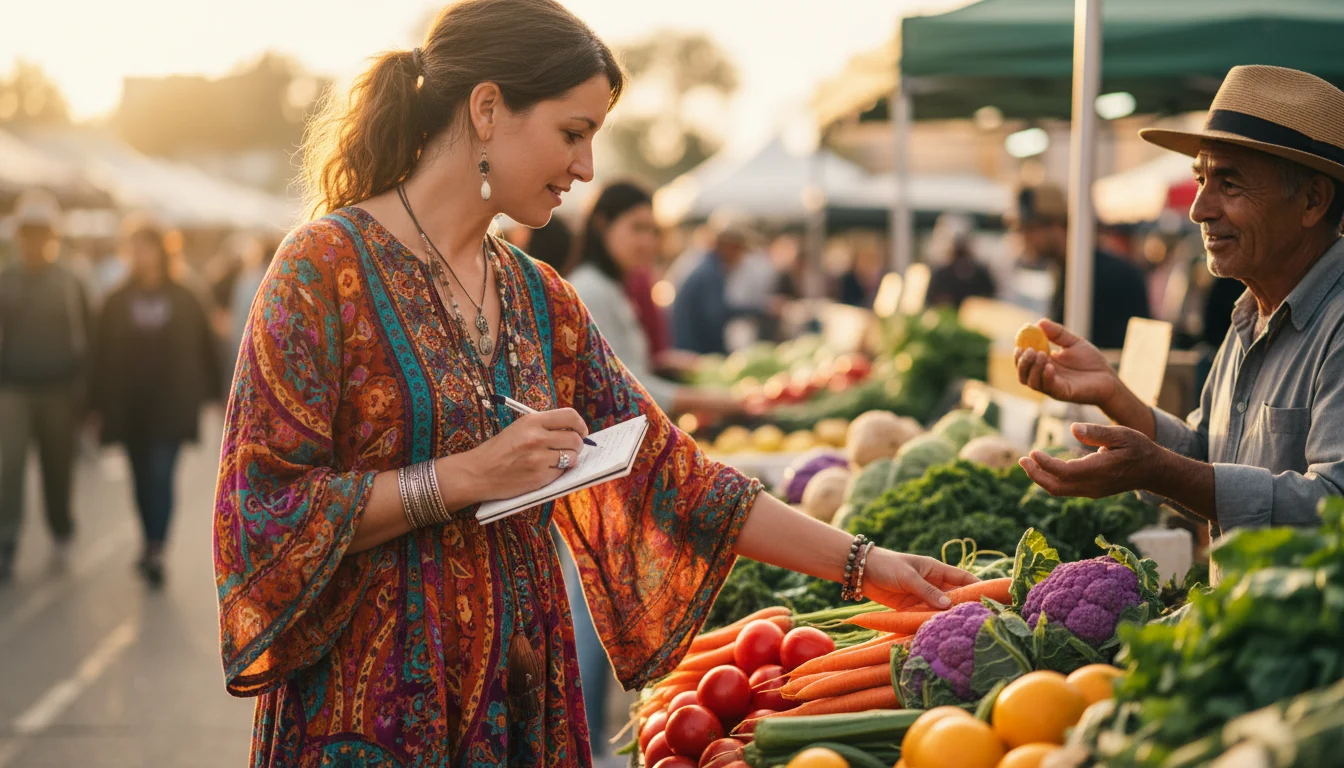
Add a short welcome paragraph in a human voice. Not a slogan, a real sentence. The kind you would say at a market stall.
Add one “give first” resource
A free resource can be simple: a mini guide, a recipe pack, a beginners’ checklist, or a directory of vegan-friendly spots in your city.
The community-first angle is not the freebie itself. It is how it is framed. Make it about helping, not lead capture. You can still collect emails, but do not make it feel transactional.
Invite participation in a way that feels safe
A lot of people want to contribute, but they do not want to be put on the spot.
Try gentle prompts:
- “Share your version” under a recipe.
- “Tell us what you wish existed” on your product pages.
- “What would make this easier for you?” in your checkout confirmation email.
Then actually reflect what you learn back onto the site. When visitors see that customer input shapes your business, they stop feeling like an audience and start feeling like collaborators.
Designing for community also improves conversion, but in a different way
It might sound counterintuitive, but community-first websites often sell better because they reduce anxiety.
Vegan shoppers commonly worry about:
- Hidden non-vegan ingredients.
- Cross-contamination or unclear manufacturing.
- Overhyped claims, vague sourcing, or “plant-based” branding without substance.
- Social judgment, especially for new vegans.
Community-first design meets those fears with clarity, warmth, and proof. It makes buying feel like joining something, not taking a risk.
A simple 30-day plan to start building a community-first website
You can do this without a full rebuild. Pick one focus per week.
Week 1: Listen and map
Collect the last 20 customer questions you have received (email, DMs, comments). Group them into themes. Those themes are your community roadmap.
Week 2: Fix the “trust gaps”
Update your product pages with clearer answers: ingredients, sourcing, allergens, certifications, shipping, returns. Add a short “Why this is vegan” explanation if it is not obvious.
Week 3: Add one community feature
Choose one:
- Customer story section.
- Ask-us-anything page.
- Beginner pathway.
- Resource library starter post.
Make it visible from the homepage.
Week 4: Create a feedback loop
Add one simple prompt on your site that collects ongoing insight, and set a recurring calendar reminder to review it. Community-first design is not a one-time project. It is a habit.
The future of vegan businesses online will be built on belonging
Vegan brands have always been more than products. They are cultural signals. They are relief for people trying to live more ethically. They are a way to feel less alone.
When your website is designed like a community space, even in small ways, it becomes an asset you truly own. It can outlast platform shifts, reduce marketing burnout, and create the kind of loyalty that does not disappear when a trend cycle ends.
If you want one place to start today, start with your homepage. Replace one line of marketing copy with a real welcome, then give people a path to participate. That single change can shift the entire feeling of your site from “storefront” to “home base.”